Collecting military memorabilia is far more than acquiring old artifacts. It is an opportunity to preserve history, honor the experiences of those who served, and build a collection that reflects your personal interests and passions.
Every medal, uniform, document, or piece of equipment carries a story.
Whether you are fascinated by the Napoleonic Wars, the American Civil War, the World Wars, or modern military history, collecting military artifacts offers a tangible connection to the past that few other hobbies can provide. Every medal, uniform, document, or piece of equipment carries a story. The challenge, and the reward, lies in discovering those stories and becoming their steward for future generations.
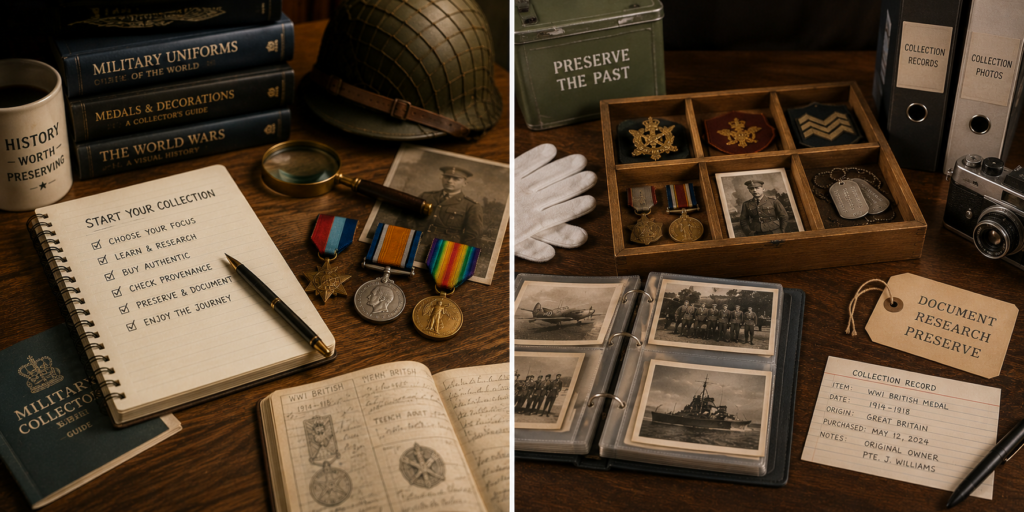
For newcomers, however, the world of military collecting can seem overwhelming. With countless categories, varying values, and concerns about authenticity, it is important to begin with a thoughtful approach.
Here are some practical steps to help you start building a military memorabilia collection with confidence.
Begin with a Specific Area of Interest
One of the most common mistakes new collectors make is trying to collect everything.
Military history spans centuries, continents, conflicts, and nations. Attempting to acquire artifacts from every era can quickly become expensive and confusing.
Instead, consider focusing on a specific area that genuinely interests you. Some collectors specialize in:
- First World War artifacts
- Second World War memorabilia
- Napoleonic-era items
- Canadian military history
- British military medals
- Aviation-related collectibles
- Naval artifacts
- Military documents and photographs
- Regimental collections
- Individual soldier groupings
By narrowing your focus, you can develop expertise more quickly and make informed purchasing decisions.
Many experienced collectors begin with a single area and gradually expand as their knowledge grows.
Learn Before You Buy
Knowledge is one of the most valuable assets a collector can possess.
Before making significant purchases, spend time researching the types of items that interest you. Read books, explore museum collections, follow reputable military history publications, and study auction catalogues.
Auction archives can be particularly useful because they reveal both market values and the characteristics of authentic pieces.
Pay attention to:
- Typical markings and maker’s stamps
- Period construction methods
- Materials used during specific eras
- Known reproductions and fakes
- Historical context surrounding the artifact
The more familiar you become with genuine examples, the easier it will be to identify quality pieces and avoid costly mistakes.
Start with Affordable Items
Building a meaningful collection does not require a large budget.
Many new collectors assume they must begin with rare medals or museum-quality artifacts. In reality, some of the most interesting collections begin with modest acquisitions.
Affordable entry points may include:
- Military postcards
- Wartime photographs
- Unit insignia
- Service records
- Training manuals
- Uniform buttons
- Rank badges
- Military maps
- Small field equipment
These items often provide valuable historical insight while allowing collectors to develop expertise without significant financial risk.
As your knowledge increases, you can pursue rarer and more valuable pieces with greater confidence.
Prioritize Authenticity
Authenticity is one of the most important considerations in military collecting.
Unfortunately, reproductions exist across nearly every collecting category. Some reproductions are clearly identified as replicas, while others are deliberately designed to deceive buyers.
Whenever possible, purchase from reputable sources that stand behind their offerings.
Look for:
- Detailed descriptions
- Clear photographs
- Provenance documentation
- Expert evaluations
- Transparent return policies
If an item seems unusually rare or significantly underpriced, proceed carefully. In the collecting world, opportunities certainly exist, but extraordinary bargains often warrant additional scrutiny.
When in doubt, seek a second opinion from knowledgeable collectors, specialists, or established auction professionals.
Understand the Importance of Provenance
Provenance refers to the documented history of an artifact’s ownership and origin.
Two seemingly identical items can have dramatically different values depending on their provenance.
For example, a standard military medal may hold modest value on its own. However, if documentation connects that medal to a decorated soldier whose actions are well recorded, its historical significance and market appeal may increase substantially.
Provenance can include:
- Service records
- Original award documents
- Letters
- Photographs
- Family histories
- Previous collection records
- Auction histories
Collectors often place tremendous importance on artifacts that can be firmly connected to specific individuals or historical events.
Strong provenance not only enhances value but also enriches the story behind the object.
Preserve What You Collect
Military artifacts have survived decades, and sometimes centuries. Proper preservation helps ensure they continue to survive for future generations.
Basic preservation practices include:
- Avoiding excessive handling
- Protecting items from direct sunlight
- Maintaining stable temperature and humidity levels
- Using archival-quality storage materials
- Keeping metal artifacts dry
- Storing documents and photographs in acid-free sleeves
One common misconception is that cleaning improves value. In many cases, aggressive cleaning can permanently damage historical artifacts and reduce collector interest.
Before attempting any restoration or conservation work, research the appropriate methods or consult a professional conservator.
Document Your Collection
As collections grow, documentation becomes increasingly important.
Maintain records that include:
- Purchase dates
- Acquisition sources
- Purchase prices
- Provenance information
- Historical research
- Photographs
Detailed records can assist with insurance, future appraisals, estate planning, and eventual resale.
They also create a valuable reference library that enhances your understanding of your collection over time.
Many experienced collectors find that researching and documenting artifacts becomes as enjoyable as acquiring them.
Attend Auctions and Military Shows
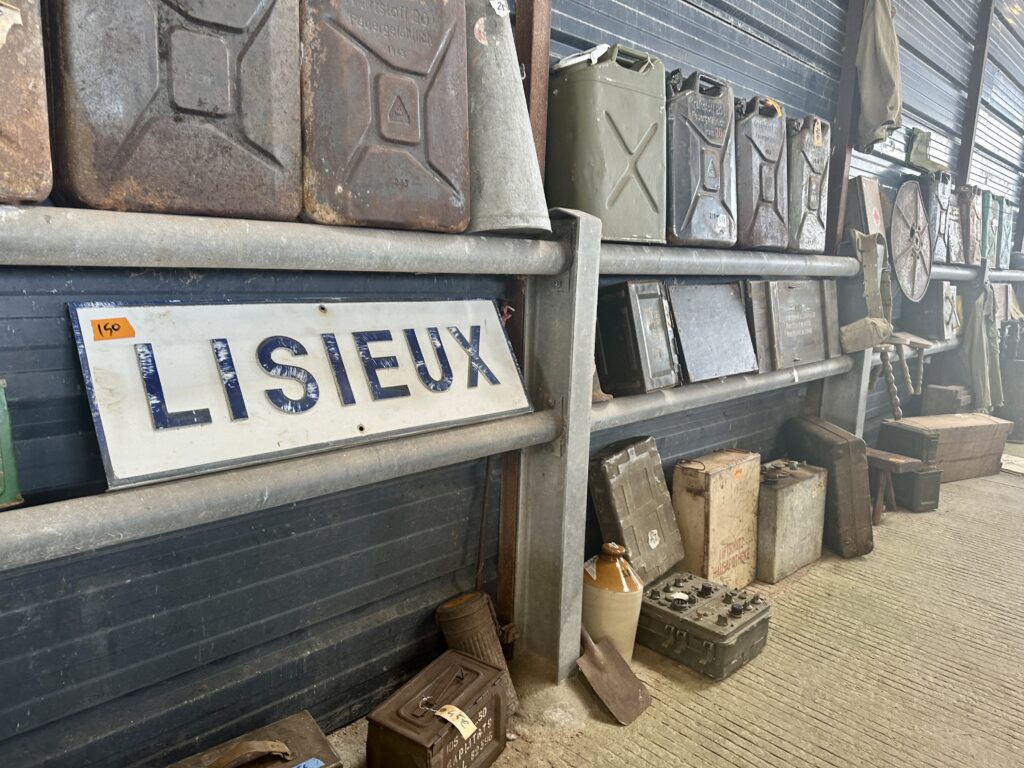
One of the best ways to learn about military memorabilia is to see authentic examples in person.
Military shows, collector fairs, museum exhibitions, and auctions provide opportunities to examine artifacts firsthand and engage with knowledgeable specialists.
Auctions are particularly valuable educational experiences because they showcase a wide variety of material across different collecting categories.
Even if you are not planning to bid, reviewing auction catalogues can help you:
- Study authentic examples
- Understand market trends
- Learn pricing ranges
- Discover new collecting interests
- Observe how provenance affects value
Over time, these experiences help develop the critical eye that every successful collector needs.
Buy What Interests You
While some military artifacts appreciate in value over time, collecting should not be approached solely as an investment strategy.
Markets fluctuate. Trends change. What remains constant is personal enjoyment.
The most successful collections are often built by individuals who acquire items because they find them historically meaningful, visually interesting, or emotionally compelling.
If an artifact sparks curiosity and inspires further research, it may be a worthy addition to your collection regardless of its market value.
Collect what genuinely fascinates you, and the collection will remain rewarding for years to come.
Building a Collection That Matters
Military memorabilia offers a unique bridge between the present and the past. Every artifact represents real people, real experiences, and real moments in history.
Starting a collection does not require vast expertise or significant financial resources. It requires curiosity, patience, and a willingness to learn.
By focusing on authenticity, provenance, preservation, and historical understanding, collectors can build collections that are both personally meaningful and historically significant.
The greatest collections are not necessarily the largest or most expensive. They are the ones assembled with care, knowledge, and respect for the stories behind the artifacts.
Every seasoned collector began with a single item. The next piece of history you acquire may be the first chapter in a collection that lasts a lifetime.